Hospitality as a Way of Life
In the 18th century, hospitality was not a curated experience or a marketed amenity—it was a way of life. Homes were expected to be open, welcoming spaces that served not only families but communities, travelers, and leaders alike. In an era without hotels on every corner or digital invitations, private homes carried the responsibility of comfort, safety, and connection. The General Rufus Putnam House stands as a remarkable example of this tradition, embodying a time when gracious hospitality was woven into daily life.
From its earliest days, the house reflected this deeply held value. Its generous proportions, thoughtfully arranged rooms, and welcoming surroundings were designed with people in mind. Guests were meant to linger, converse, and feel respected. The home was not simply a shelter but a social and civic hub—one that mirrored the values of service, generosity, and mutual respect that defined early American communities.
A Home That Welcomed History
As the residence of General Rufus Putnam, the house likely experienced a steady flow of visitors. Military colleagues, civic leaders, surveyors, politicians, and travelers would have passed through its doors, each bringing stories, ideas, and perspectives from across a young and evolving nation. These visits were far more than polite social calls. They were moments where decisions were discussed, alliances strengthened, and the foundations of communities were shaped.
Within these walls, conversations may have touched on governance, westward expansion, infrastructure, and the challenges of building a new society. The home’s atmosphere of warmth and civility made it an ideal setting for such exchanges. Hospitality created the conditions for trust, and trust allowed meaningful dialogue to flourish. In this way, the house functioned not just as a private residence, but as a quiet participant in the shaping of American history.
Personal Attention in a Pre-Modern World
The phrase “personal attention of yesteryear” perfectly captures the essence of life within the General Rufus Putnam House. Long before mass production, automation, or convenience culture, hospitality required intention. Meals were prepared by hand, rooms were arranged with care, and hosts were fully present with their guests. Every visit mattered because every human connection carried weight.
Guests were greeted personally, their needs anticipated through observation rather than request. Time moved more slowly, allowing relationships to develop naturally. This attentiveness fostered a sense of belonging that is difficult to replicate today. Even now, visitors often sense that spirit lingering in the house—a feeling that the space remembers what it once meant to care deeply for those who crossed its threshold.
The Emotional Power of Place
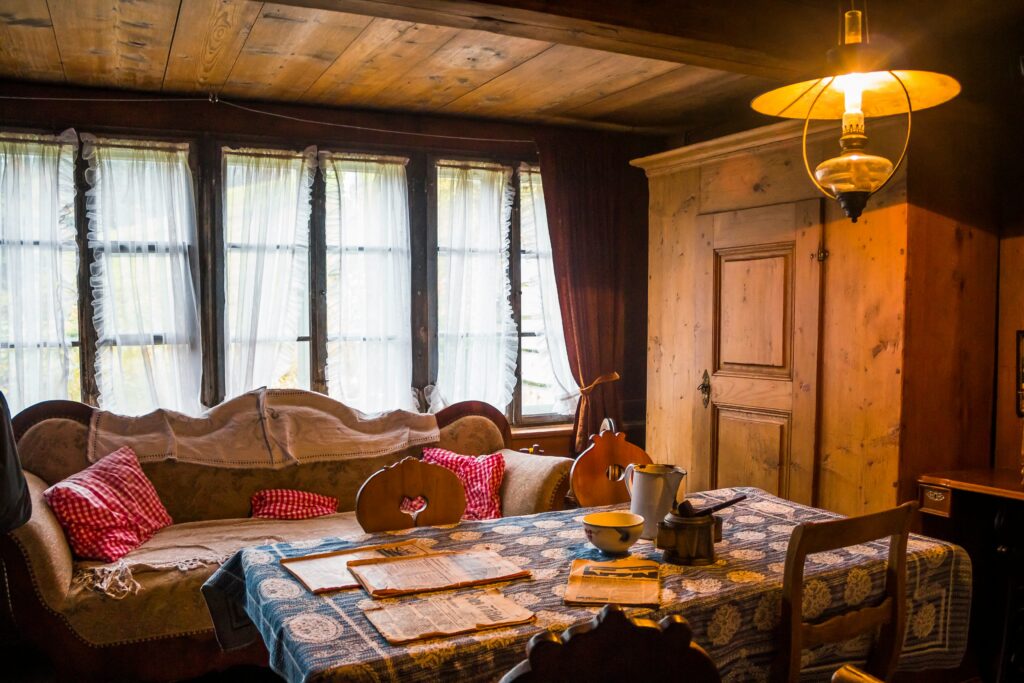
Many historic homes engage visitors on an intellectual level, offering facts, dates, and architectural details. The General Rufus Putnam House goes further by creating an emotional connection. The soft creak of wooden floors beneathfoot, the way natural light filters through old windows, and the quiet presence of surrounding landscapes combine to form an experience that feels authentic rather than staged.
There is an intimacy to the house that encourages reflection. Visitors often find themselves imagining conversations held in its rooms or the rhythms of daily life that once filled its spaces. This emotional resonance is powerful because it humanizes history. Rather than feeling distant or abstract, the past becomes tangible, relatable, and deeply personal.
A Rare Sense of Continuity
Few historic places manage to span centuries without losing their essence. Many are altered beyond recognition or preserved in ways that feel disconnected from their original purpose. The General Rufus Putnam House is rare in its ability to maintain continuity. Despite changes in ownership, use, and historical context, the home has retained its character and spirit.
That continuity offers visitors a rare opportunity to experience a consistent thread of American life—one rooted in service, civic responsibility, and community engagement. The house stands as a reminder that progress does not require abandoning the values of the past. Instead, it shows how those values can endure, providing stability and meaning across generations.
Why Visitors Leave Changed
People often leave the General Rufus Putnam House with more than photographs or historical knowledge. They leave with a renewed appreciation for craftsmanship, patience, and intentional living. The home quietly challenges modern assumptions about speed, efficiency, and convenience, offering a counterpoint rooted in thoughtfulness and care.
In a world defined by constant motion, the house invites visitors to slow down and consider what truly endures. Its greatest gift may be this lasting impression—a gentle reminder that meaningful progress begins with strong foundations, respectful relationships, and gracious hospitality. Centuries after its doors first opened, the General Rufus Putnam House continues to welcome visitors not just into a historic space, but into a way of life worth remembering.